Now that the reality of the fire’s devastation has settled in, and my mind has adjusted to it, I am ready to begin dreaming of the future and building a new vision. David Steele, Executive Director of Rocky Mountain Compassionate Communication Network, helped me shift my perspective on this tragedy when he said, “Your father’s legacy has been erased. You now have a blank canvas to create your own legacy.” I can see the tremendous freedom in that. I am no longer bound to what existed in the past. It is truly a blank canvas, as none of the structures survived.
THE PROJECT
On June 29, 2026, the Aspen Acres Fire destroyed my home and transformed a beautiful mountain forest into a burn scar. While I cannot bring back what was lost, I can help create what comes next. The Project is an experiment in ecological restoration, community building, storytelling, and sustainable living.
The goal is simple:
Take a 1.6-acre burn scar in Beulah, Colorado and help restore life to the land as quickly and responsibly as possible—bringing back plants, animals, insects, fungi, and people.
This is not simply a rebuilding project. It is an opportunity to reimagine how we live on the land and how communities can respond to climate-driven disasters.
PHASE 1: CLEANUP & RECOVERY
The first step is removing the remains of the fire:
- Clear burned debris and unsafe materials
- Remove damaged structures and metal remnants
- Process fallen trees and fire-damaged wood
- Create safe access throughout the property
- Prepare the site for restoration and future projects
PHASE 2: ECOLOGICAL RESTORATION
The health of the land comes first.
Key restoration efforts include:
- Erosion control and water retention strategies
- Reintroducing native plants and vegetation
- Creating habitat for wildlife, pollinators, and beneficial insects
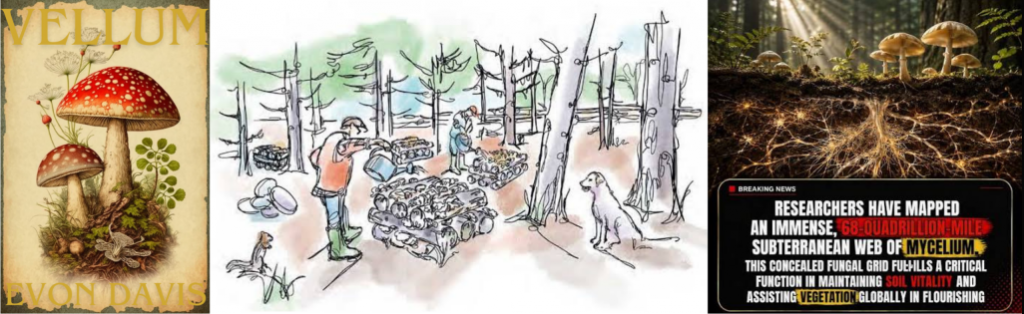
- Experimenting with mushroom cultivation and mycelium restoration
- Using regenerative land-management techniques to rebuild soil health
- Monitoring how the ecosystem recovers over time
I am particularly interested in exploring how fungi and mycelium networks can help restore damaged soil and accelerate ecological recovery after wildfire.
PHASE 3: REIMAGINING HUMAN HABITAT
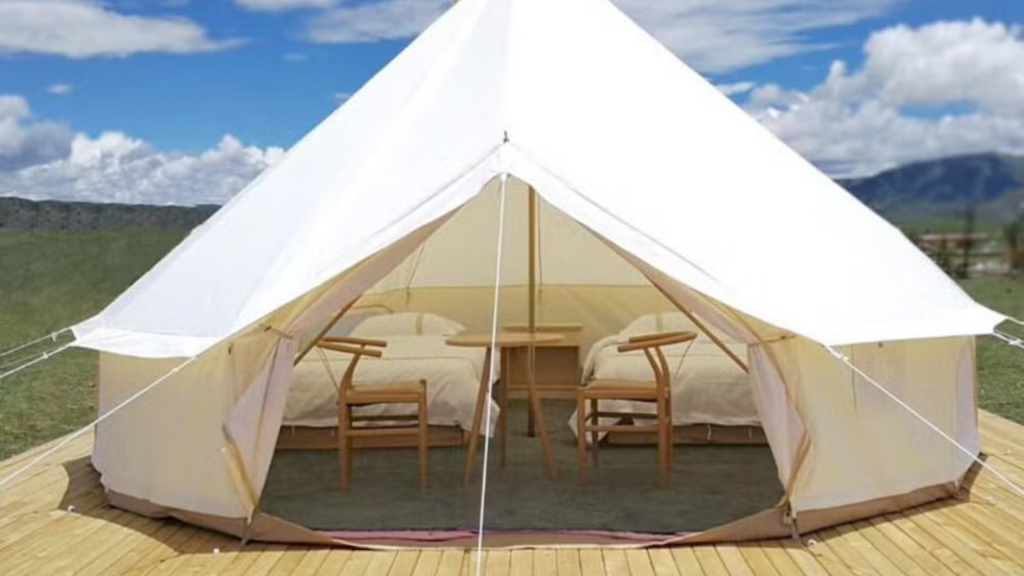
Rather than immediately rebuilding a traditional cabin, I want to explore simpler and more adaptable ways of living on the land.
Projects may include:
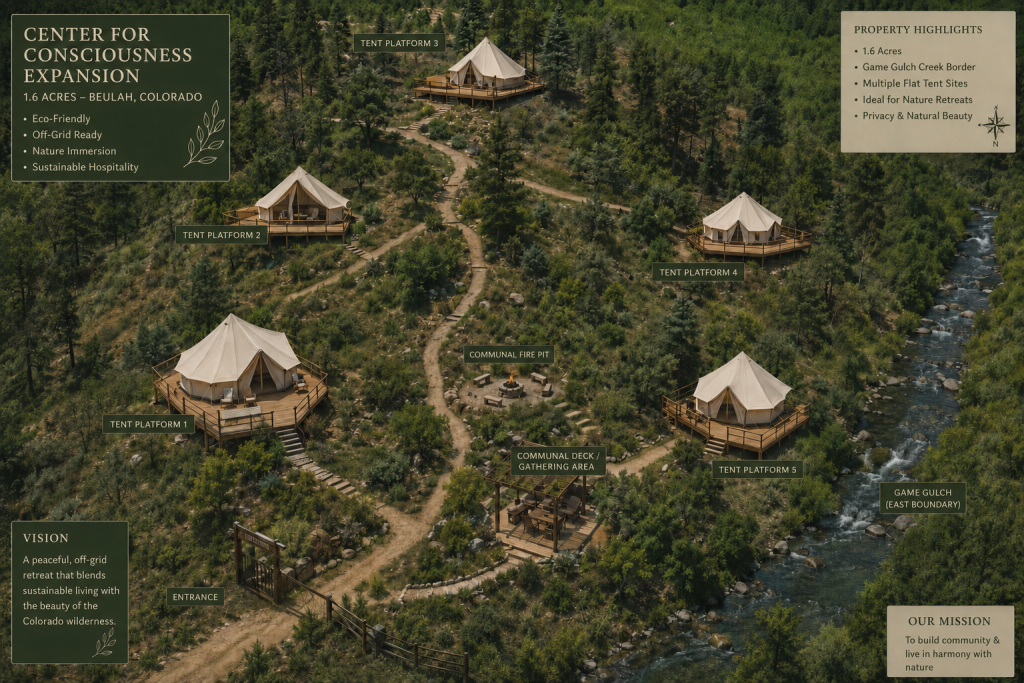
- Building platforms for large canvas tents
- Creating outdoor gathering and learning spaces
- Developing off-grid systems and sustainable infrastructure
- Experimenting with low-impact living practices
- Demonstrating practical alternatives that reduce environmental impact
The goal is not simply to build structures. The goal is to create a place that works in partnership with nature rather than against it.
PHASE 4: COMMUNITY & EDUCATION
I believe many people are searching for a deeper connection with nature, community, and purpose.
Over time, I hope to invite volunteers, students, artists, writers, filmmakers, naturalists, and curious visitors to spend time on the property and participate in the project.
Together we can:
- Learn practical ecological restoration skills
- Explore sustainable living practices
- Share knowledge and ideas
- Build meaningful community
- Create a living example of what restoration can look like
PHASE 5: DOCUMENTING THE JOURNEY
The restoration of the land is only part of the story.
I also want to document the entire process through several interconnected projects:
The Memoir
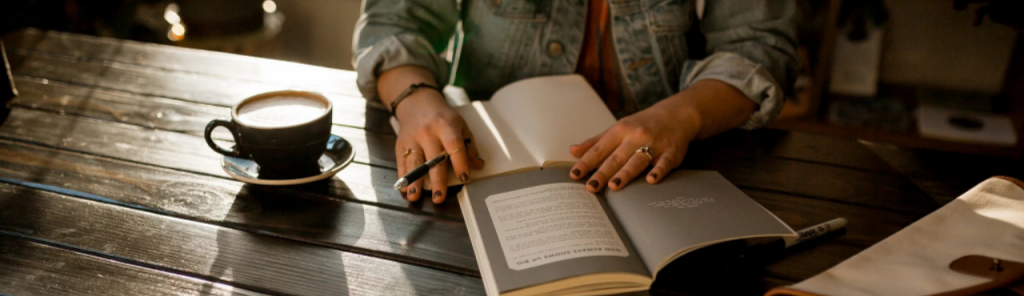
A book about the loss of my home, the aftermath of the fire, and the larger questions it raises about resilience, climate change, community, and what truly matters. How will we live on this earth now in the age of a global climate crisis? What can we do when our government and leaders have failed us?
The Documentary Series
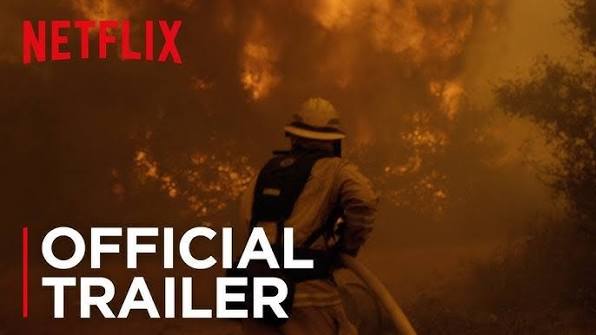
A long-term docuseries following the ecological recovery of the property and the people involved in rebuilding a new vision for the future.
Student Filmmaker Initiative
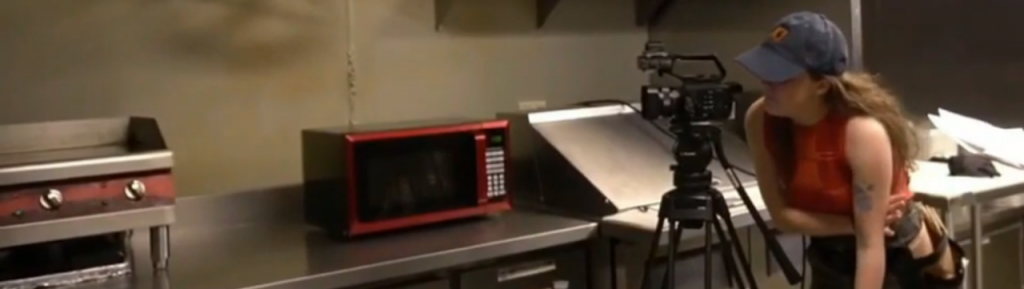
Building a team of aspiring filmmakers who can gain hands-on experience while documenting a real-world restoration project.
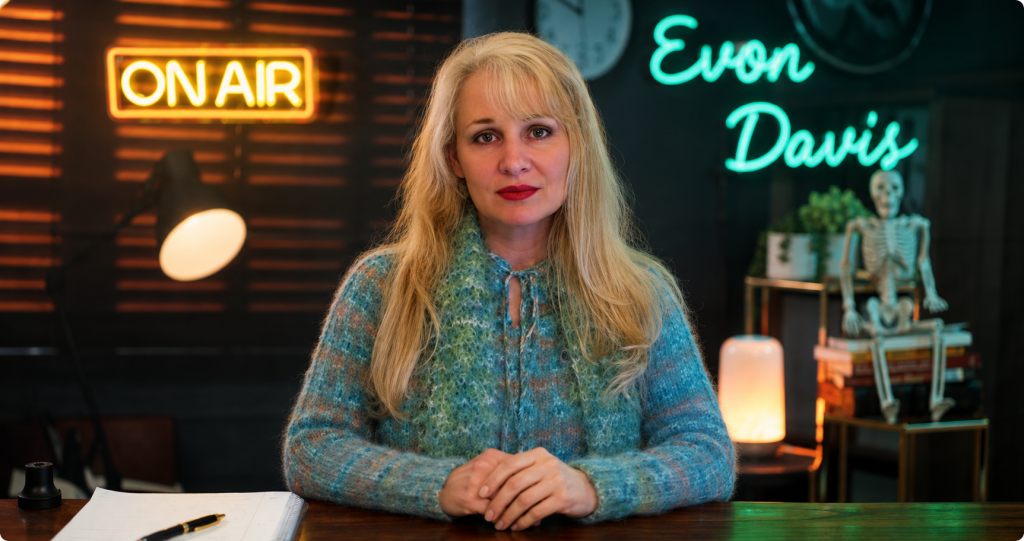
The YouTube Channel
Refocusing my channel to share the successes, failures, lessons, experiments, and discoveries that emerge from this journey.
The Novel
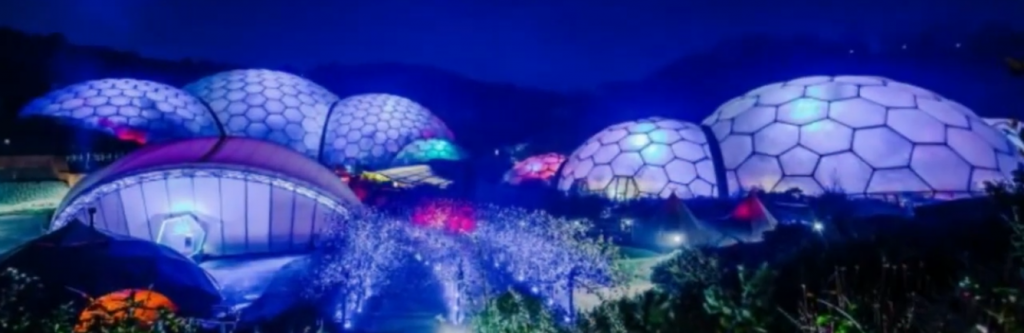
A science-fiction novel titled “Vellum” blends ecological science fiction, consciousness exploration, and social commentary. “Vellum” asks what it truly means to remain human in an age of AI, virtual reality, and environmental crisis. As climate collapse accelerates, science writer Claire Greene is drawn into a struggle between a technocratic elite determined to preserve civilization inside sealed domed cities, and a growing resistance that believes humanity’s future depends on restoring its connection to nature. “Vellum” is an eco-futurist thriller about love, consciousness, climate change, and the battle for the human soul.
THE BIGGER VISION
Wildfires, droughts, floods, and other climate-related disasters are becoming more common around the world. Many communities are asking the same question: How do we rebuild?
My hope is that this project can contribute to a larger conversation. Not just about rebuilding homes, but about rethinking our relationship with the natural world. Can we restore damaged ecosystems faster? Can we create stronger communities? Can we live more simply and sustainably? Can disaster become an opportunity for innovation and transformation?
I don’t claim to have all the answers. This property will become a place to explore those questions openly, creatively, and collaboratively. The way I rebuild will be an expression of that vision—a living experiment where people can see the ideas, participate in them, and judge the results for themselves.
The Nomadic Lifestyle
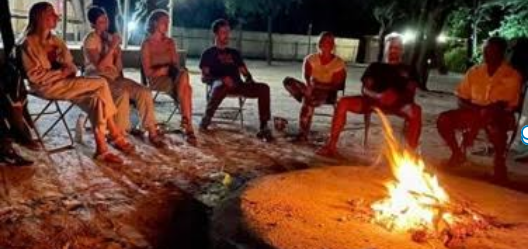
Learning to live lightly on the planet means focusing on values such as our natural environment, human relationships, and building community rather than prioritizing money, status, and consumption. The nomadic lifestyle is a way of doing this by keeping one’s possessions to a minimum and building community through living in nomad caravans.
Building Community
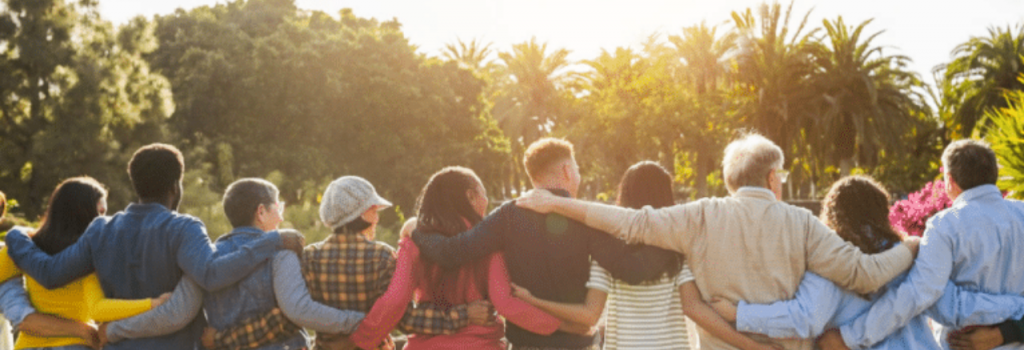
While rugged individualism and self-reliance are respectable traits, humans are social animals, which means that most people want to live in community with others. However, in our culture, more emphasis is usually put on individualism rather than community, so many haven’t learned the skills of getting along in community and building a life in cooperation with others. This is an attempt to bring more focus to how we build community and get along with each other.
This is more than a recovery project. It’s an attempt to imagine, and build, a better future.